Atrial fibrillation
What atrial fibrillation is, how it may present and which treatment options are considered for each patient.
View page ↗
Adult arrhythmias
Information about arrhythmias in adults and individualised care using medication, ablation and cardiac devices.
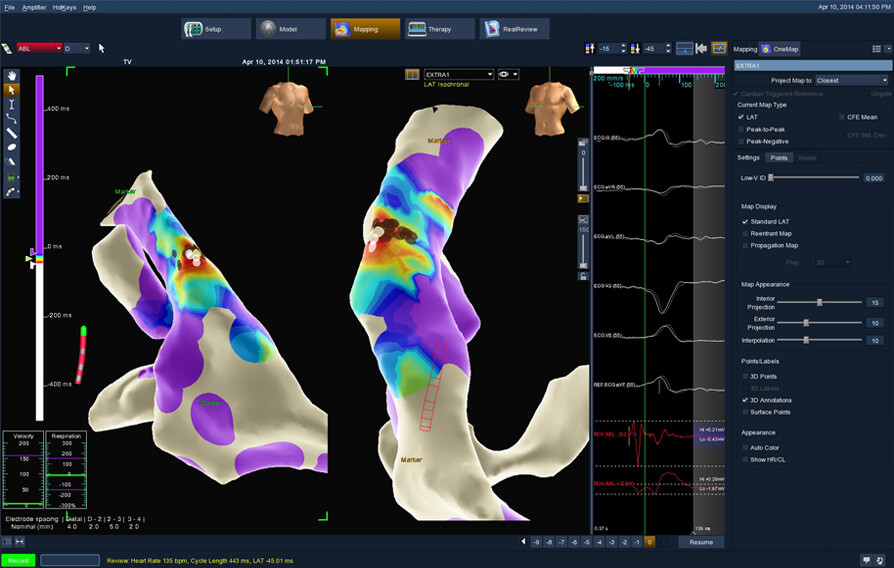
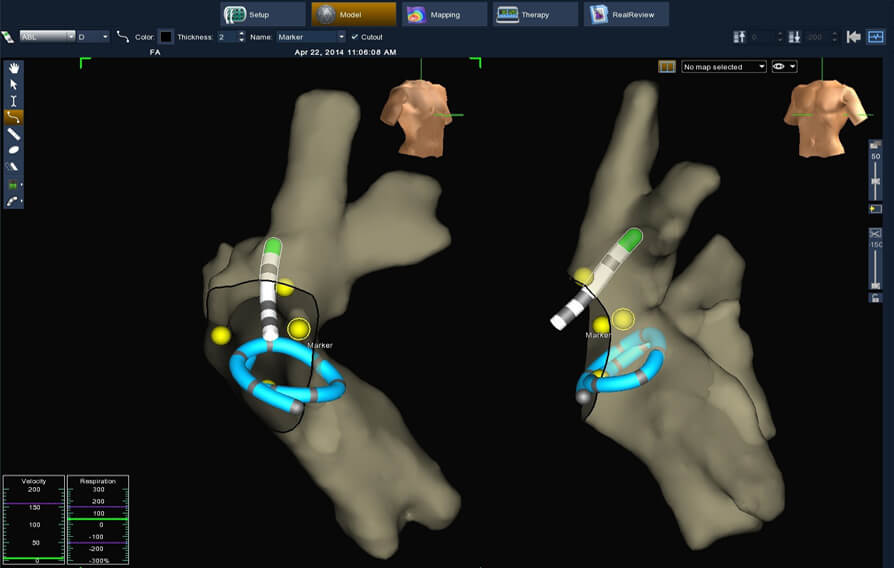
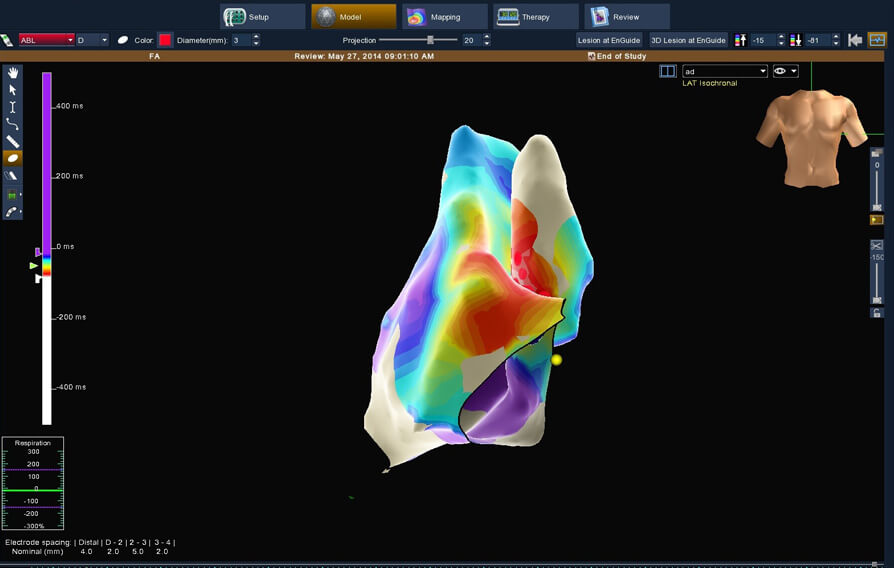
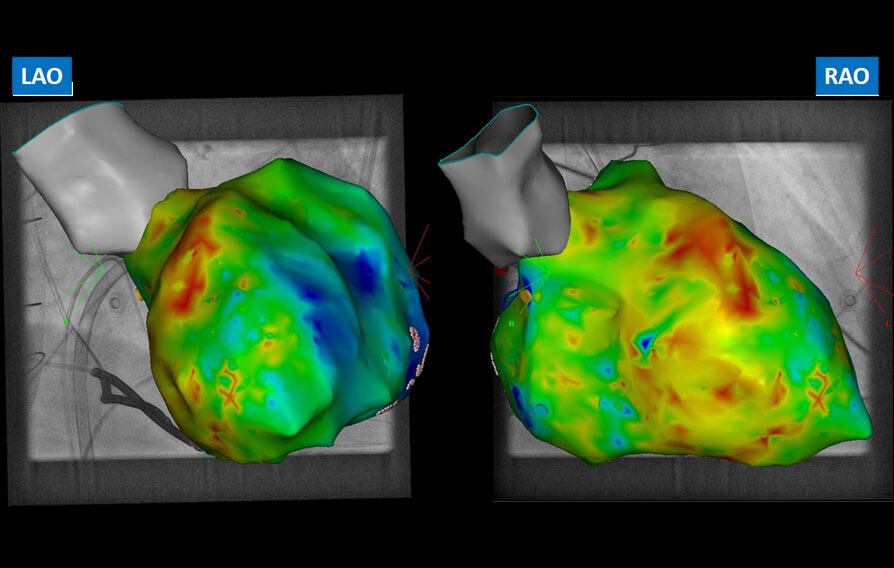
Arrhythmias are extraordinarily frequent in the general population, especially the more benign forms. We treat a range from very common arrhythmias with good prognosis, such as premature ectopic beats, to ventricular tachycardia, which, in most cases, carry a worse prognosis if untreated. In our Unit we have all necessary human and technical resources to treat both the most frequent and the most rare arrhythmias. We evaluate treatment options and tailor them to each patient based on solid scientific evidence and in accordance with international clinical practice guidelines. This can lead to treatment based either on medication or a more invasive management aimed at eliminating (performing an ablation of) the mechanism causing the arrhythmia in cardiac tissue.
Success rates for ablation vary widely, from 60 to 95% depending on the treated substrate. The risk of complications is lower than 2% in the more benign arrhythmias and up to 4-6% in more severe cases. Most tachycardias, those termed “rhythmic supraventricular”, can usually be successfully eliminated in 90-95% of cases in a single procedure of percutaneous ablation. In the case of the always-challenging atrial fibrillation, success rates vary from 60 to 80% depending on patients’ characteristics.
What atrial fibrillation is, how it may present and which treatment options are considered for each patient.
View page ↗AV nodal re-entry, accessory pathways, atrial tachycardia and flutter: information about supraventricular arrhythmias and treatment.
View page ↗Arrhythmias arising in the ventricles: types, links with other heart conditions and specialist treatment options.
View page ↗